


How to Order for Groups Without the Headache
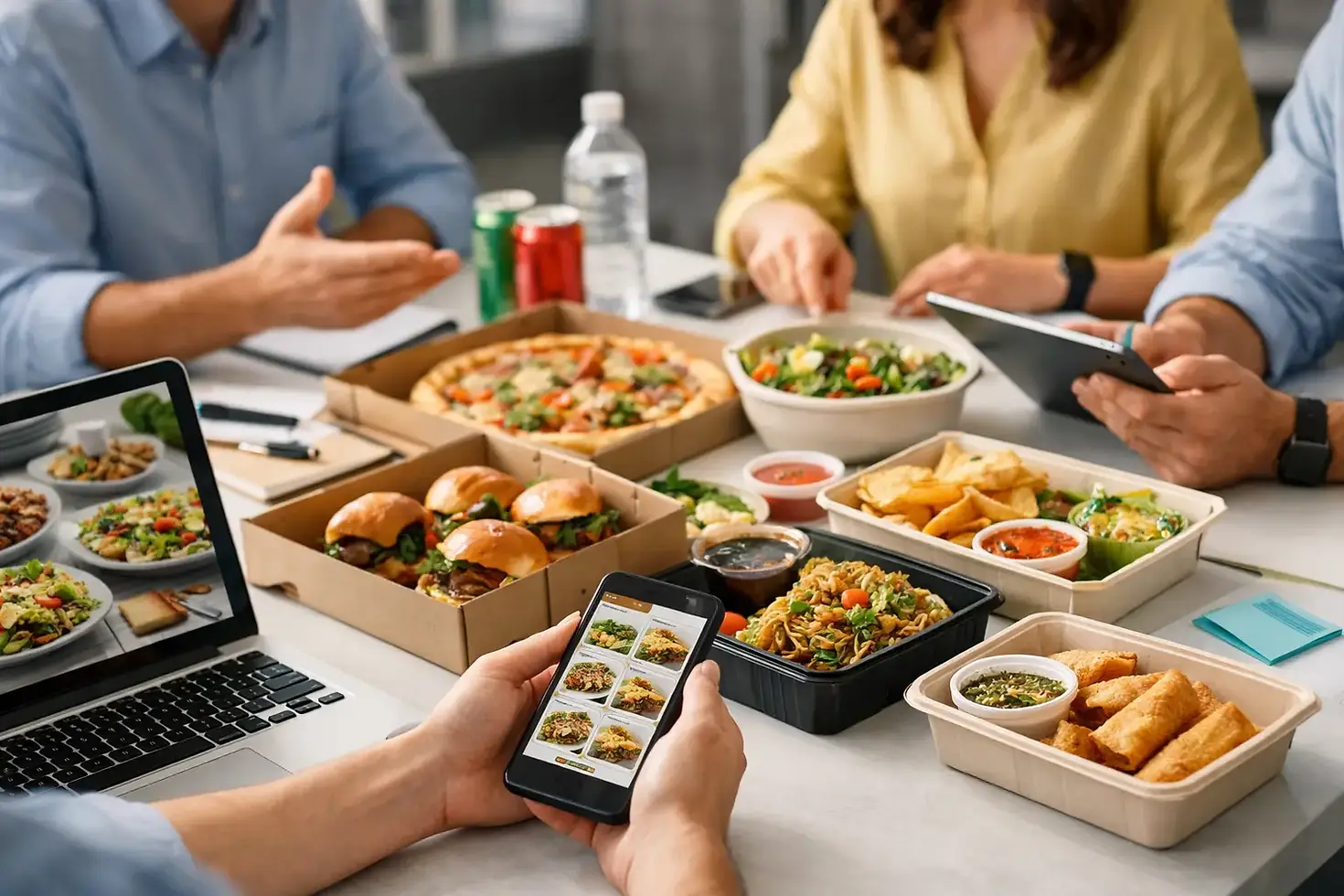
Trying to figure out how to order for groups usually starts the same way - one person sends a text, ten people reply late, and somehow nobody agrees on food until everyone is already hungry. That is when a fun night starts feeling like work. The good news is that group ordering gets a whole lot easier when you keep it simple, choose food people actually want, and plan around how your crew likes to eat.
How to order for groups starts with the group itself
Before you think about menu items, think about the people. A group of coworkers stopping in after work orders differently than a family birthday table, and both order differently than a game-day crew that wants to settle in for a few hours. If you skip that part, you can end up with the wrong amount of food, the wrong kind of pacing, or a check that feels heavier than expected.
Start with three questions. How many people are actually coming? Is the group there to snack, eat a full meal, or hang out for the game? And does the group usually share, or does everyone want their own plate? Those answers shape everything else.
A casual sports-bar group usually does best with a mix. Shared starters keep the table lively, while burgers, wings, cheesesteaks, and other comfort-food favorites give everyone a solid main option. That balance matters because all-share sounds easy in theory, but in real life, some people want to sample everything and others just want their own order and a cold drink.
Pick food that works for a table, not just a person
This is where a lot of group orders go sideways. A dish that is great for one guest is not always the best fit for a group setting. The best group food holds up well, arrives without a lot of fuss, and gives people options.
Wings are a classic example. They work because they are easy to share, easy to order in larger quantities, and flexible enough for different taste preferences. The same goes for loaded fries, shareable appetizers, and platter-style starters. Burgers and cheesesteaks are strong group picks too, especially when people want a full meal and not just a few bites between drinks.
Variety matters, but too much variety can slow things down. If everybody custom-builds every item, the kitchen has to manage a lot more moving parts. That does not mean you cannot personalize an order. It just means there is a trade-off. A little customization keeps people happy. Too much can turn one table into twenty separate tickets.
For most groups, the sweet spot is a menu mix with a few shared starters and a straightforward set of mains. Enough choice to keep it fun, not so much that ordering becomes a project.
One point person makes everything easier
If you want the simplest answer to how to order for groups, here it is: pick one person to lead it. Not to control everyone, just to keep the process moving.
That person can gather the headcount, flag any dietary needs, and make sure the order is organized before it reaches the server. When nobody takes that role, group ordering tends to drag. People change their minds, side conversations take over, and the order comes out in pieces because it went in that way.
A point person is especially helpful when the group is large or the night is busy. It keeps communication clean. It also helps the staff help you. A clear order is faster to send, easier to pace, and less likely to come back with confusion.
If you are the one organizing, keep it loose but direct. Ask people what they want before the pressure hits at the table. If it is a shared-food night, tell the group that up front. Most people are happy to go along when somebody gives the plan a little structure.
Think in rounds, not one giant moment
Big group orders do not always need to happen all at once. In fact, they usually work better when they do not.
For a table watching the game or meeting up for a longer night, starting with drinks and a few shareables can be the smartest move. It gives everyone time to settle in and avoids that rushed feeling where half the table is still parking or arriving late. Then, once the group is complete, the mains can follow.
This approach works especially well in a neighborhood bar and grill setting where the atmosphere is part of the experience. Good times do not come from treating the table like a deadline. They come from letting the night build naturally while still keeping the order organized.
There is a trade-off, though. Ordering in rounds can be more social and flexible, but it may also stretch the timeline. If your group is on a lunch break, heading to an event, or trying to eat quickly before first pitch, one more complete order up front may be the better call.
Portion planning matters more than people think
Under-ordering is frustrating. Over-ordering can feel wasteful. The trick is being honest about appetite.
A group ordering after work with drinks may want a few starters and solid entrees, but not double the sides and extras. A weekend crowd coming in specifically for wings, burgers, and a game may eat more than expected, especially if the table is staying awhile. Timing also matters. A 6 p.m. dinner group is different from a 9:30 p.m. crowd looking for late-night food.
Shared appetizers should feel like a warm-up, not the whole meal unless that is the plan. If people are ordering mains, use the apps to keep everyone happy while food is coming out. If the table is building a snack-heavy spread instead, then go broader with items that offer different textures and flavors - something crispy, something cheesy, something saucy, something hearty.
If your group includes big eaters, do not pretend a tiny starter spread will somehow cover it. Order with confidence. People remember when the table looks full and nobody has to fight for the last piece.
Make room for different tastes without overcomplicating it
The best group meals have range. Some people want heat. Some want classic flavors. Some want comfort food with no surprises. That is why menu depth matters, especially in a place known for crowd-pleasers.
A wide flavor selection can be a huge advantage for group ordering because it lets the table split items without everybody eating the same thing. Wings are a perfect example. Different sauce choices can keep the table happy, but there is still a practical limit. If you order too many tiny batches in too many flavors, the order gets harder to manage.
A better move is to pick a few flavor lanes. Go mild, medium, and hot. Or choose one familiar option, one bold option, and one house favorite. That gives your table variety without turning the order into chaos.
The same thinking applies to drinks. Group-friendly ordering does not mean everybody drinks the same beer or cocktail. It means the table has enough options that no one feels boxed in. A good bar crowd wants choice, but it also wants the night to move.
Timing can make or break the experience
A great order at the wrong time can still feel off. If you know your group is coming in on a busy game night, during dinner rush, or right around a major event, plan for that reality.
That does not mean avoiding the fun. Busy nights are often the best nights to be out. It just means being ready. Know your rough headcount. Get there early if the group wants a prime spot. Be decisive once you sit down. Staff can do a lot, but even the best service works better when the table knows what it wants.
This is one reason neighborhood spots with strong local followings are so popular for group outings. People know what they are getting - cold drinks, craveable food, and an atmosphere that already feels like part of the plan. At a place like Tap & Growler Bar, that kind of energy is exactly what makes group nights work when you come in ready to order smart.
Keep the check as simple as the food
Nobody wants the end of the meal to be the hardest part. If the group is splitting everything evenly, say that early. If everybody is paying for their own meal, keep orders clear from the start. The more mixed and tangled the ordering gets, the more likely the payment side gets messy too.
This is another reason shared apps plus individual mains often works so well. It gives the table that communal feel without making every line item a math problem. If one person is hosting, even better. That makes the whole experience smoother from first round to last bite.
Group ordering does not need to be complicated to be great. A little planning, a little flexibility, and food people are genuinely excited to eat usually wins the night. When the order fits the group, the whole table relaxes - and that is when the stories, laughs, and extra round start showing up on their own.


Comments